\ Birthstones \ June Birthstones \ Pearl Gemstone Overview

Pearls: Timeless Beauty, Naturally Perfect

Pearls form in nature and have been prized for centuries. Pearls are among the few gemstones created by living organisms, making each one truly unique.

Pearls are a classic June birthstone known for elegance, simplicity, and staying power.

Key Benefits of Pearls

Recognized by the American Gem Society as an official June birthstone, pearls have been valued for thousands of years for their natural beauty and understated elegance. Available in a wide range of styles—from classic strands to modern designs—pearls remain one of the most versatile gemstones available.

Color

Color

Pearls come in white, cream, pink, peach, lavender, gold, green, blue, gray, purple, and black tones. 

Durability

Durability

Pearls are delicate gemstones, ranking 2.5–4.5 on the Mohs hardness scale

Clarity

Clarity

Pearl clarity refers to the quality of the surface, including spots, bumps, pits, or other blemishes. Pearls with fewer noticeable imperfections are generally more valuable, especially when they also have strong luster.

Because pearls form naturally, minor surface irregularities are common. These characteristics can give each pearl its own unique appearance.

What Makes Pearls Different

Unlike other gemstones, pearls aren’t mined—they’re grown. 

  • Created naturally inside mollusks; most are cultured pearls prompted by human assistance
  • No cutting or faceting is required to reveal their beauty
  • Known for their soft, iridescent luster
  • Each pearl is unique in shape, size, and tone

Are Pearls Right for You?

Emotional Triggers

Pearls might be the right choice if: 

  • You appreciate timeless, understated style
  • You want a gemstone with natural origins
  • You’re looking for something versatile and wearable 

Use Cases

Pearls are commonly chosen for: 

  • Everyday jewelry
  • Wedding and bridal pieces
  • Anniversary or milestone gifts 

Types of Pearls

Not all pearls are the same. The type of pearl affects its appearance, durability, and price.

Not sure which type fits your style? We’ll help you compare options. 

Freshwater Pearls

Typically more affordable and widely available, freshwater pearls come in a variety of shapes and sizes. They frequently occur in white, cream, peach, pink, and lavender hues. 

Akoya Pearls

Saltwater pearls are known for their classic round shape and high luster, often used in traditional pearl strand necklaces. Usually preferred in white or cream with a strong pink overtone, they can also come in other hues like blue or gray. 

South Sea Pearls

Larger and more rare saltwater pearls, with a soft satiny luster. Often white or golden in color. 

Tahitian Pearls

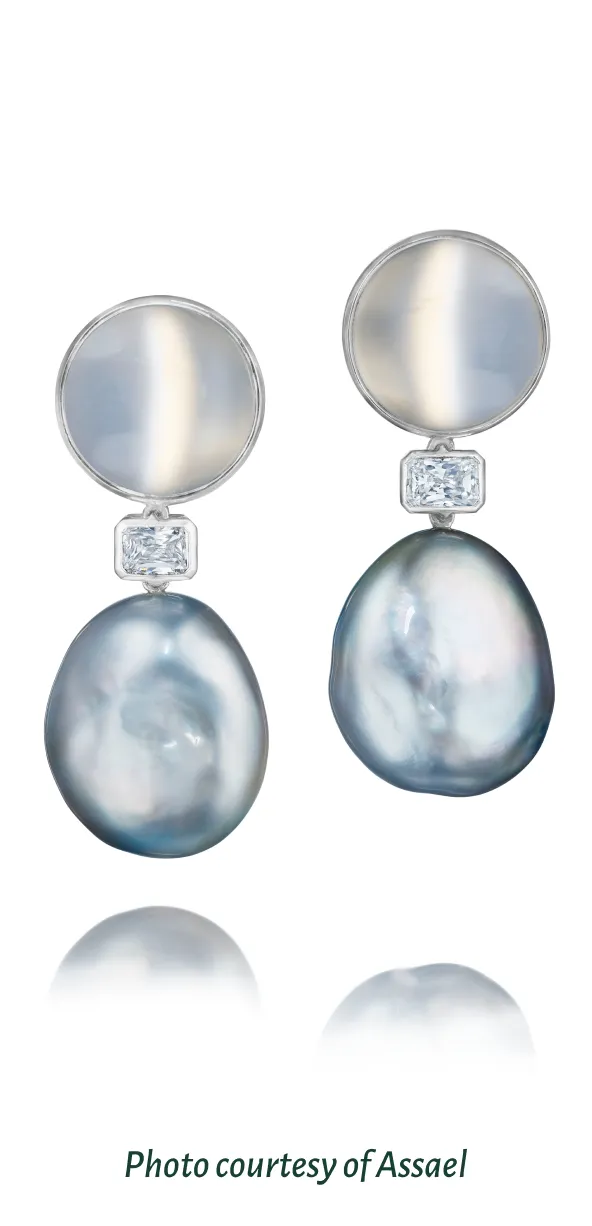
Naturally darker saltwater pearls, with a high luster, sometimes so reflective that it appears almost metallic. Ranging from gray to black with green, blue, or purple overtones. 

What Determines Pearl Quality

Understanding quality helps you choose the right pearl with confidence. 

  1. Luster The sharper and more reflective the surface, the higher the quality.
  2. Surface Quality Fewer blemishes or imperfections make pearls more desirable. 
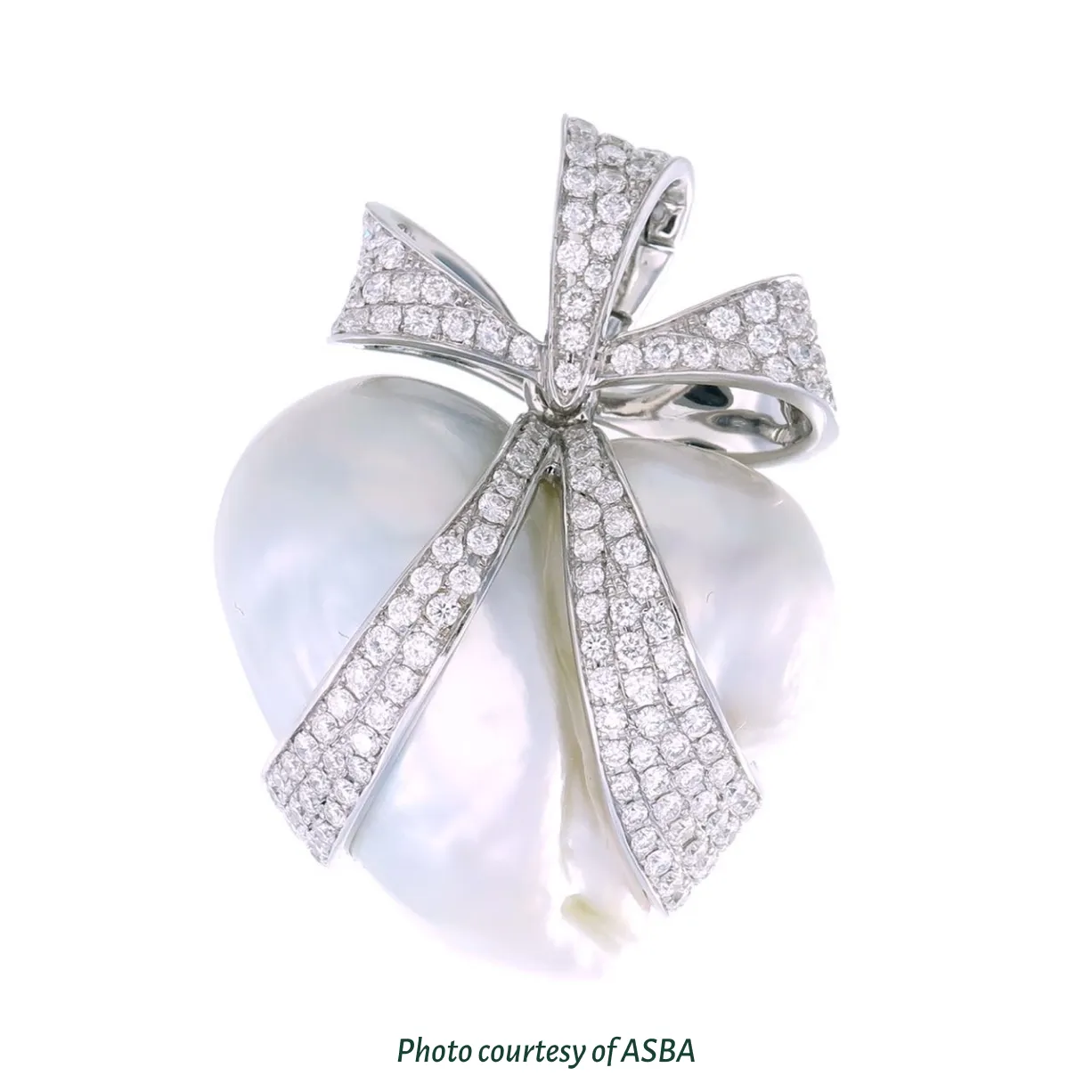
  3. Shape Round or near-round pearls are the most traditional and sought after, but unique shapes can be creative and fashionable.
  4. Color Pearls come in white, cream, pink, peach, lavender, gold, green, blue, gray, purple, and black tones.
  5. Size Larger pearls are more rare and command premium prices. 
  6. Nacre Quality Nacre quality is the thickness and evenness of the nacre that makes up the pearl. The nacre should be thick enough that you can’t see the bead nucleus through it, and the nacre should not appear chalky. 

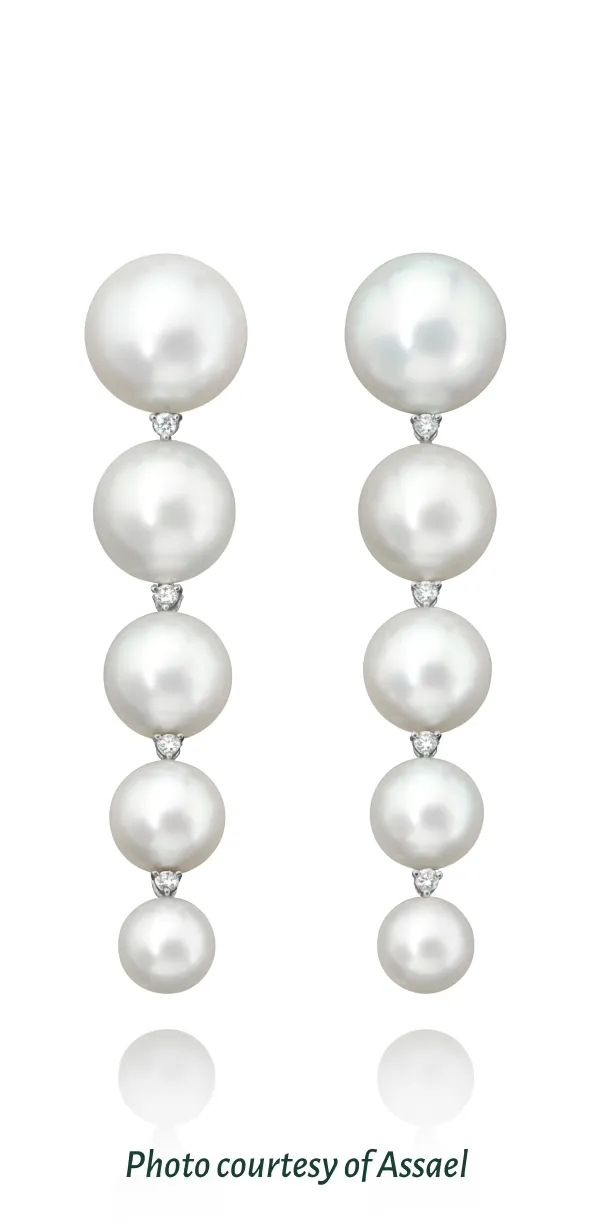
Matching is how uniform a set of two or more pearls are with each other in size, color, shape, and quality. It can take years to match a single strand of pearls. 

What Are Pearls?

Pearls are organic gemstones formed when an irritant enters a mollusk, triggering layers of nacre to build around it over time. Unlike mined gemstones, pearls are created naturally, making each one unique. 

History of Pearls 

Pearls have been prized for thousands of years and were once considered more valuable than gold. They were worn by royalty and associated with wealth, purity, and status across cultures. Before pearl cultivation techniques were developed, natural pearls were extremely rare and difficult to obtain. 

Meaning & Symbolism 

Pearls are often associated with: 

  • Purity and elegance
  • Wisdom and calm
  • Simplicity and balance

Pearl FAQs

  • Are pearls real gemstones? Yes. Pearls are organic gemstones formed naturally inside mollusks.
  • What is the difference between natural and cultured pearls? Natural pearls form without human intervention, while cultured pearls are grown with assistance. Both are made with nacre by the mollusks.
  • Are pearls durable enough for daily wear? Yes, but they are softer than most gemstones and should be handled with care.
  • What month are pearls a birthstone for? June.
  • Do pearls require special care? Yes. Avoid harsh chemicals and store them separately to prevent scratches.
  • Can pearls be treated? Yes. Pearls can be bleached, dyed, irradiated, or coated. Ask an AGS jeweler you trust to tell you about any treatments on pearls or pearl jewelry you’d like to purchase. 

Find an AGS Jeweler

Work with a credentialed AGS jeweler who is dedicated to ongoing education, ethical practices, and helping you make informed decisions.