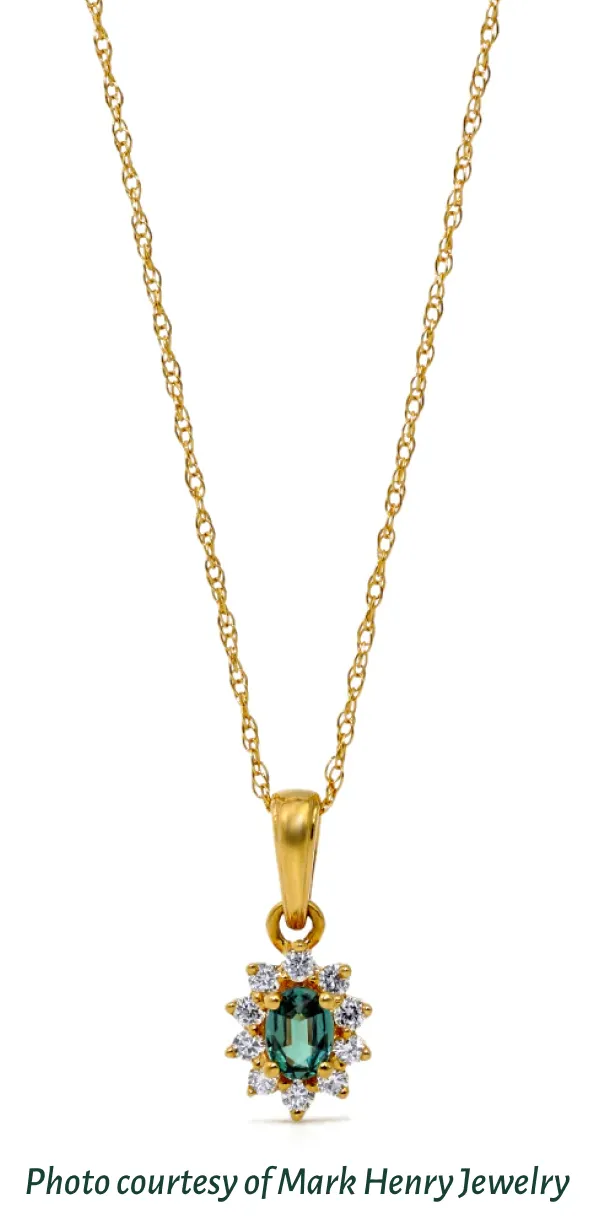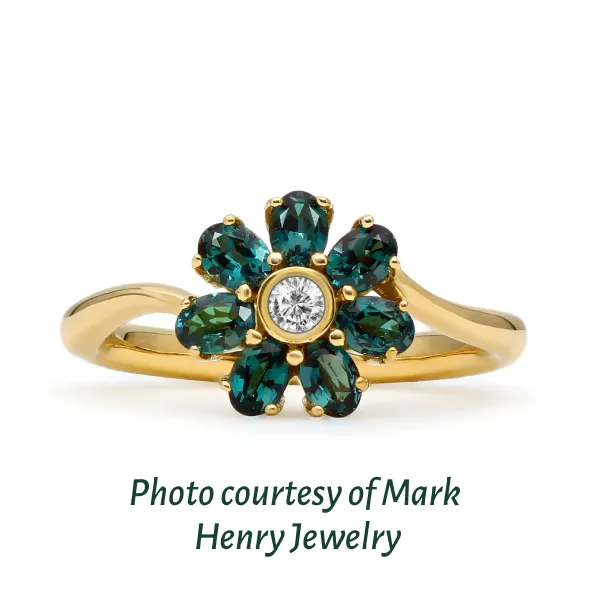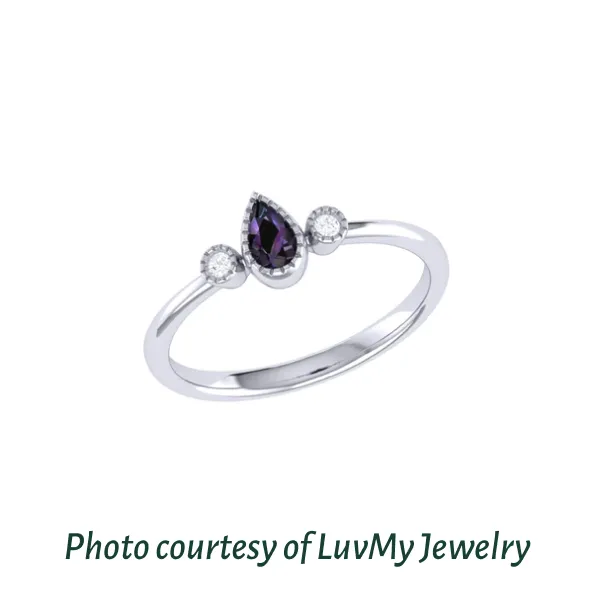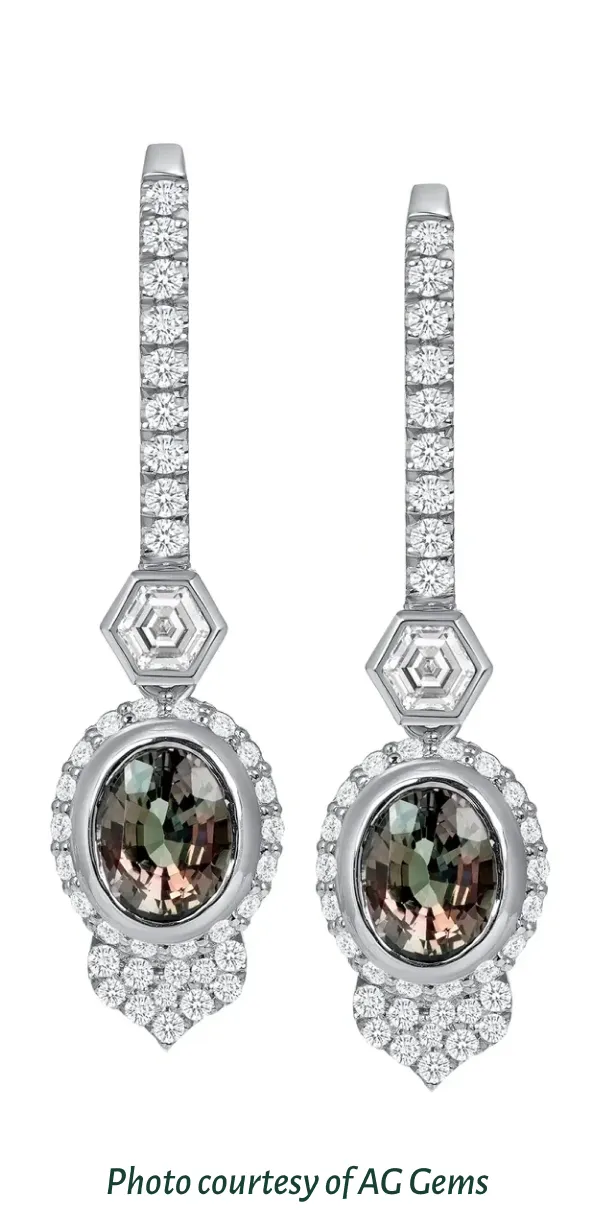
Alexandrite shifts from green in daylight to red under incandescent light, making it one of the world’s rarest and most unforgettable gemstones.
This natural color-changing gem is treasured for its beauty, rarity, and meaning.
Recognized by the American Gem Society as an official June birthstone, alexandrite is one of the rarest and most sought-after gemstones available today. Available in both natural and lab-created options, it offers a unique balance of rarity, beauty, and accessibility.
A unique alternative to traditional stones
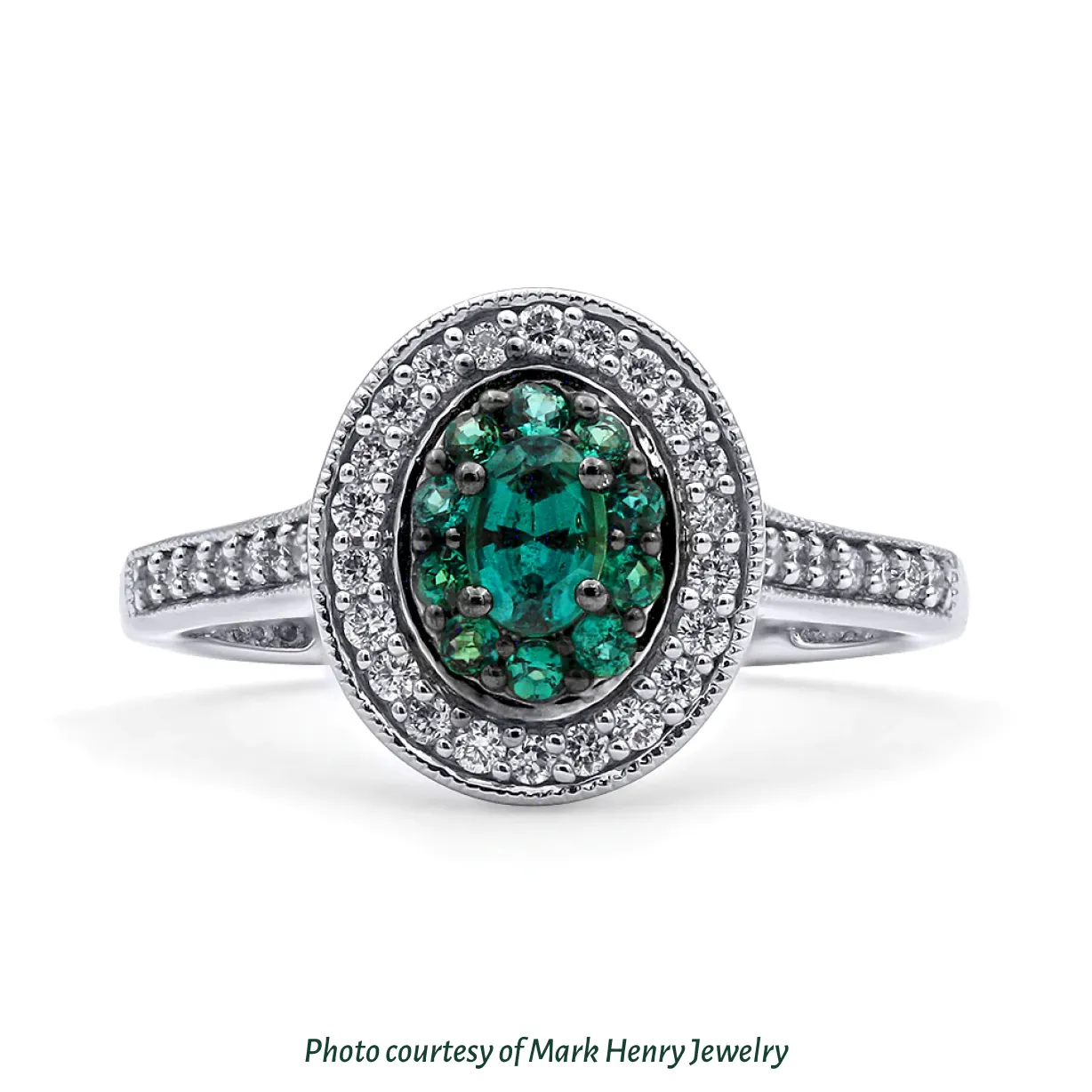
Alexandrite isn’t just rare—it’s remarkable. This gemstone changes color from bluish-green in daylight or fluorescent light to purplish-red in incandescent light, such as candlelight.
You might be looking for something different.
Alexandrite is often chosen for:
Both natural and lab-created alexandrite offer the same stunning color-changing effect—but they differ in rarity, price, and how they’re sourced.
Natural alexandrite is extremely rare and typically commands a higher price. Each stone is unique, often featuring natural inclusions that reflect its origin and formation.
Lab-created alexandrite is grown under controlled conditions and is more widely available. It’s more affordable while still offering the same chemical composition—and often displays an even stronger color change.
Bottom line: If rarity and collectability matter most, natural alexandrite is the way to go. If you’re focused on visual impact and price, lab-created alexandrite is a strong alternative.
Not all alexandrite is created equal. These factors have the biggest impact on quality and price:
Alexandrite is a rare variety of the mineral chrysoberyl, known for its unique ability to change color under different lighting conditions.
First discovered in Russia in the 19th century, it was named after Alexander II of Russia and quickly became associated with the country due to its red and green hues that matched the Imperial Russian flag.
Today, alexandrite is found in limited quantities in Brazil, Sri Lanka, and parts of East Africa, making it one of the most valuable gemstones in the world.
Alexandrite is often associated with:
Its ability to change color makes it a powerful symbol of adaptability and growth.