Tourmaline: The Gem of Every Color
Key Qualities of Tourmaline
Recognized as one of October's birthstones by the American Gem Society, tourmaline is adored for its durability, beautiful vibrancy and endless color possibilities.
Its wide range of colors makes the tourmaline gemstone ideal for personalized jewelry and other meaningful gifts.
Color
Known for its incredible color variety
Naturally Occuring
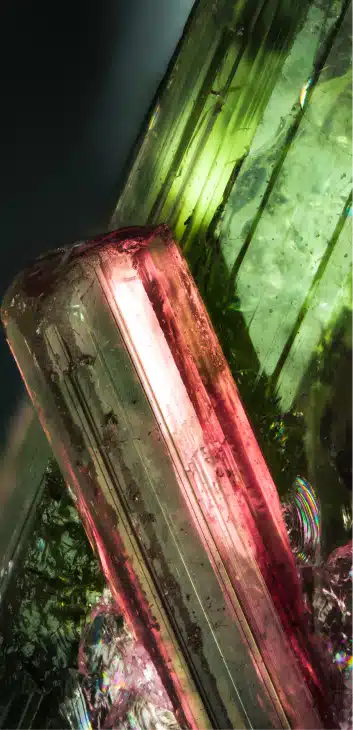
Naturally occurs in single-color and multicolored crystals
Endless Possibilities
One of the most versatile fine-jewelry gemstones
What Makes Tourmaline Different
Few gemstones can beat tourmaline’s incredible color diversity. It naturally occurs in nearly every shade of the rainbow (and sometimes multiple colors within a single crystal).
- Found in virtually every color, including pink, green, blue, red, yellow, black, and colorless
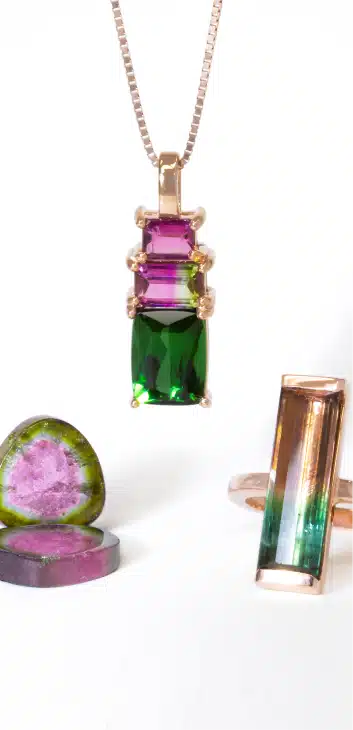
- Crystals that display two or more colors are known as bi-color or watermelon tourmaline
- Exhibits strong pleochroism, which means different colors appear when looking at it from different angles
- Often forms long, naturally striated crystals
This gemstone’s extraordinary range of colors allows each and every tourmaline gem to have its own unique personality.
Is the Tourmaline Birthstone Right for You?
Emotional Triggers
Tourmaline may be the right choice if:
- You love colorful and expressive jewelry
- You want a gem that's as unique as your own personality
- You appreciate both modern and natural beauty in jewelry styles
Use Cases
Tourmaline is typically chosen for:
- October birthday gifts
- Engagement rings and anniversary jewelry
- Statement necklaces and cocktail rings
- Custom-designed fine jewelry pieces
Tourmaline Origins & Variations
Brazil
Afghanistan
Nigeria
Produces beautiful pink, green, and blue tourmalines that are highly prized by collectors and jewelers.
Nigeria
United States
California and Maine have been producing high-quality pink and green tourmalines for a long time.
What Determines Tourmaline Value
Understanding these typical gemstone factors can help you choose the right tourmaline gemstone.
- Color: Color is the most important value factor for this gemstone. Highly saturated, vivid hues are the most desirable, particularly blue, green, and red.
- Clarity: Many tourmalines are eye-clean, though some contain inclusions. The greater the clarity, the greater the value.
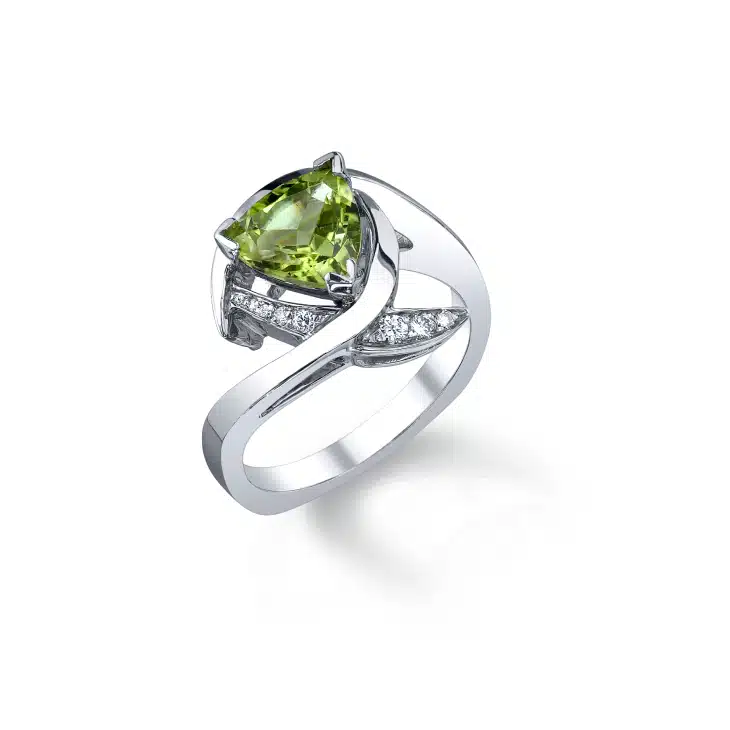
- Cut: Tourmaline is commonly cut into oval, emerald, cushion, pear, and trillion shapes to showcase its color and brilliance.
- Carat Weight: Large, high-quality tourmalines are less common, especially if they are a rare color, making them highly valuable.
What Is a Tourmaline?
Tourmaline is a complex mineral species composed of boron silicate with varying chemical compositions that create its beautiful color range.
From its durability and brilliance to its color diversity, it has become one of the most popular gemstones used in fine jewelry.
History of Tourmaline
Although tourmaline has been used in jewelry for centuries, its popularity exploded during the 18th century after large deposits were discovered in Brazil. Its name comes from the Sinhalese word turmali, meaning “mixed gemstones,” reflecting the style of the many colors that were often found together.
Today, tourmaline continues to captivate jewelry lovers who are searching for a way to express themselves with its endless color variety and natural beauty.
Meaning & Symbolism
To no surprise, tourmaline often aligns with creativity, compassion, and emotional balance.
- Pink Tourmaline: Symbolizes love, kindness and emotional healing.
- Green Tourmaline: Typically represents growth, abundance and vitality.
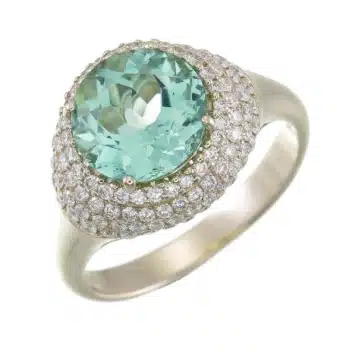
- Blue Tourmaline (known as indicolite): Is associated with calmness, wisdom and providing clear communication.
- Red Tourmaline (known as rubellite): Linked to the boldness of passion, confidence and courage.
- Black Tourmaline: Often symbolizes protection, resilience and grounding.
- Watermelon Tourmaline: This multi-colored style is believed to encourage harmony, joy and emotional balance.
Due to its broad spectrum of colors, tourmaline can carry a variety of personal meanings.
Tourmaline Gem FAQs
- What makes tourmaline different from other gemstones? Tourmaline naturally occurs in more colors than almost any other gemstone, with some variations including rare multicolored crystals.
- Is tourmaline durable enough for daily wear? Yes. Since tourmaline measures ~7 to 7.5 on the Mohs scale, it’s a durable choice for rings, earrings, necklaces, and other everyday jewelry pieces.
- What month is tourmaline a birthstone for? October
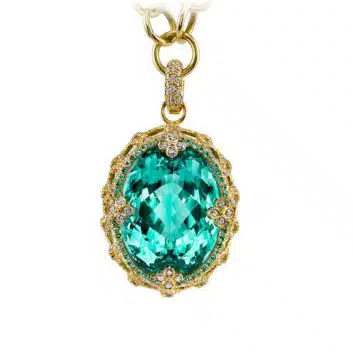
- Is tourmaline expensive? Tourmaline ranges from affordable to highly valuable, so it all depends on the individual gem’s color, clarity, size, and rarity. Rare varieties such as Paraíba tourmaline are among the most valuable colored gemstones worldwide.
- How should tourmaline jewelry be cleaned? Like most gems, you can clean tourmaline with warm water, mild soap, and a soft brush or cloth. It’s important to avoid harsh chemicals and protect the gemstone from hard impacts that can lead to chipping.