\ Birthstones \ December Birthstones \ Turquoise Stone Overview

Turquoise: The Gem of Protection & Tranquility

Turquoise is one of the world's oldest and most recognizable gemstones, specially admired for its distinctive blue and blue-green hues. As one of December's birthstones, turquoise has been a treasure for thousands of years and has remained a symbol of protection, wisdom, and good fortune.

Key Qualities of Turquoise

Recognized by the American Gem Society as one of December's three birthstones, turquoise has a rich cultural heritage, unmistakable beauty, and timeless appeal. Its striking color and natural patterns give turquoise the unique advantage for both traditional and contemporary jewelry.


Color

Color

Known for its vibrant blue to blue-green color
Unique Design

Unique Design

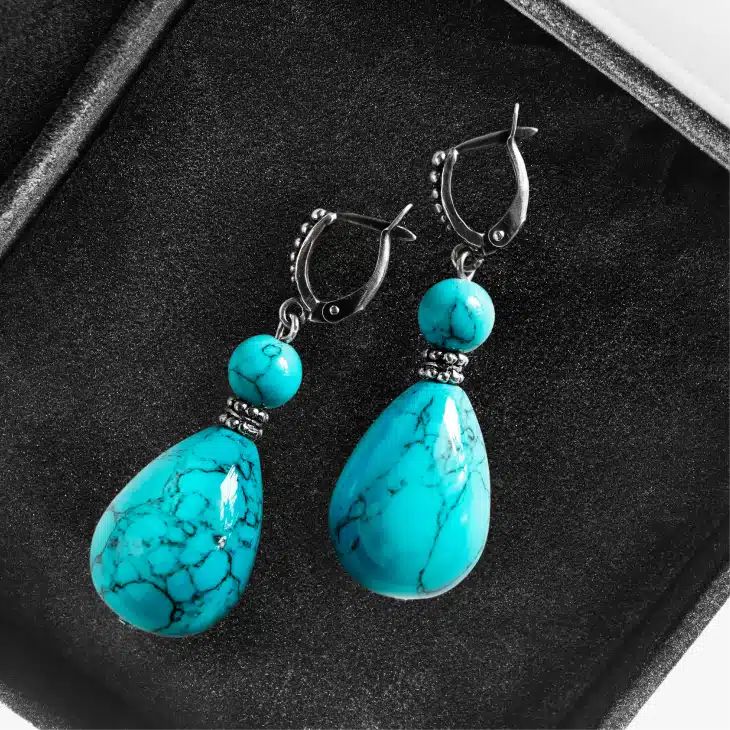
An opaque gemstone with unique natural veining

Longevity

Longevity

One of the oldest gemstones in history that was used in jewelry and art
What Makes Turquoise Different

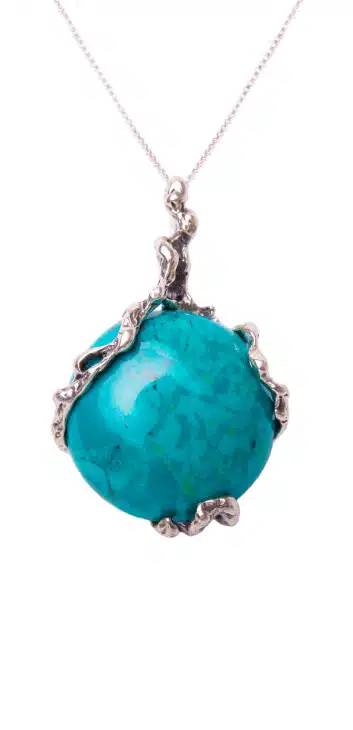
Turquoise stands apart from other gemstones due to its vivid color and natural matrix patterns.

  • Naturally found in shades of sky blue, robin’s egg blue, and blue-green
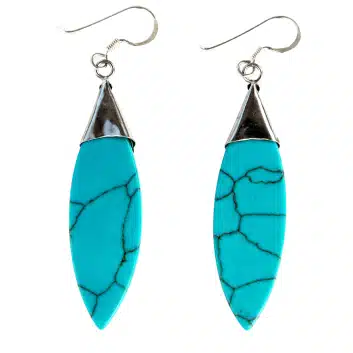
  • Often features a matrix, which looks like brown, black, or golden veining
  • An opaque gemstone with a smooth, polished appearance
  • Valued for being a solid color stone with distinctive natural patterns

No two turquoise gemstones are the same, like snowflakes, making each piece of jewelry one of a kind.

Is the Turquoise Birthstone Right for You?

Emotional Triggers

Turquoise may be the right choice if:

  • You love bold, naturally colorful gemstones
  • You appreciate jewelry with rich cultural history
  • You want a gemstone that reflects individuality and craftsmanship

Use Cases

Turquoise is picked for:

  • December birthday gifts
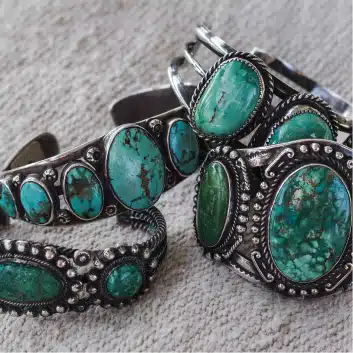
  • Southwestern and artisan jewelry sets
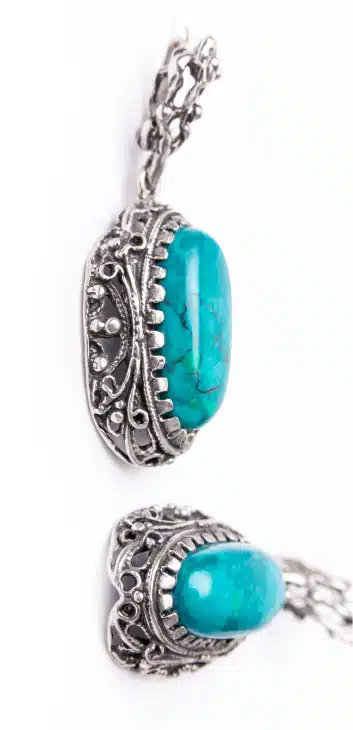
  • Bracelets, pendants, earrings and statement rings

Turquoise Gem Origins & Variations

Mined for thousands of years in several regions around the world, a turquoise's unique colors and characteristics come from where they're produced.

A turquoise's origin can influence its color variety, level of hardness, and natural matrix pattern.

United States

Arizona, Nevada, and New Mexico are known for producing some of the finest turquoise stones.

Iran

One of the top sources of turquoise, historically producing highly sought-after robin's egg blue variations with little to no matrix pattern.

China

A modern source offering the gem in a wide range of colors and patterns.

Egypt

One of the first known turquoise sources, mined by ancient civilizations over 3,000 years ago.

Mexico

Produces beautiful blue-green turquoise variations, which are often used in handcrafted jewelry.

What Determines Turquoise Value

By understanding these value factors, you get more valuable insight into finding and deciding on the right turquoise gemstone for your style.

  1. Color: The most valuable turquoise is typically a solid sky-blue color, but blue-green gemstones are also highly searched for.
  2. Matrix: Some collectors prefer variations with little to no matrix, while others value the more intricate natural veining.
  3. Cut: Turquoise is commonly cut into cabochons (also known as cabs), beads, and freeform shapes to help highlight its natural beauty.
  4. Size: Larger stones with vibrant color, excellent stability, and attractive patterns are generally more valuable than smaller sizes.

What Is Turquoise?

Turquoise is a hydrated phosphate mineral formed when copper-rich groundwater interacts with aluminum- and phosphorus-bearing rocks over millions of years.

Its unmistakable blue and green colors have made this gemstone one of the most recognizable stones throughout history.

History of Turquoise

This gem has been cherished for over 5,000 years by civilizations across the globe, from Ancient Egyptian royalty to Native American ceremonial objects, protective talismans and more.

With its continued popularity today, turquoise is one of the world’s most beloved ornamental gemstones.

Meaning & Symbolism 

Turquoise is often picked for its connection to protection, wisdom, and serenity.

  • Sky Blue Turquoise: Symbolizes peace, honesty, and clear communication.
  • Blue-Green Turquoise: Represents healing, balance, and personal growth.
  • Turquoise with Matrix: Linked with individuality, resilience, and a connection to nature.

For centuries, turquoise has also been believed to bring good fortune, encourage positive energy, and provide protection during travel to those who wore it.

Turquoise Gem FAQs

  • What makes turquoise different from other gemstones? Along with its naturally vibrant blue and blue-green colors, turquoise stands out with its opaque appearance and distinctive matrix patterns.
  • Is turquoise durable enough for daily wear? Turquoise measures about 5 to 6 on the Mohs scale. It is softer than many gemstones, so it should be protected from scratches, impacts, cosmetics, and harsh chemicals when used in jewelry settings.
  • What month is turquoise a birthstone for? December.
  • Is turquoise expensive? Turquoise ranges from affordable to highly collectible, depending on the nature of the untreated, vibrant stone and its origin.
  • How should turquoise jewelry be cleaned? Turquoise should be cleaned gently with a soft, damp cloth and mild soap. Avoid ultrasonic cleaners, steam cleaning, harsh chemicals, perfumes, lotions, and prolonged soaking because these can damage the stone or alter its color.

Find an AGS Jeweler

Work with a credentialed AGS jeweler who is dedicated to ongoing education, ethical practices, and helping you make informed decisions.